EV Resale Value in Nepal: Do Electric Cars Hold Their Value?
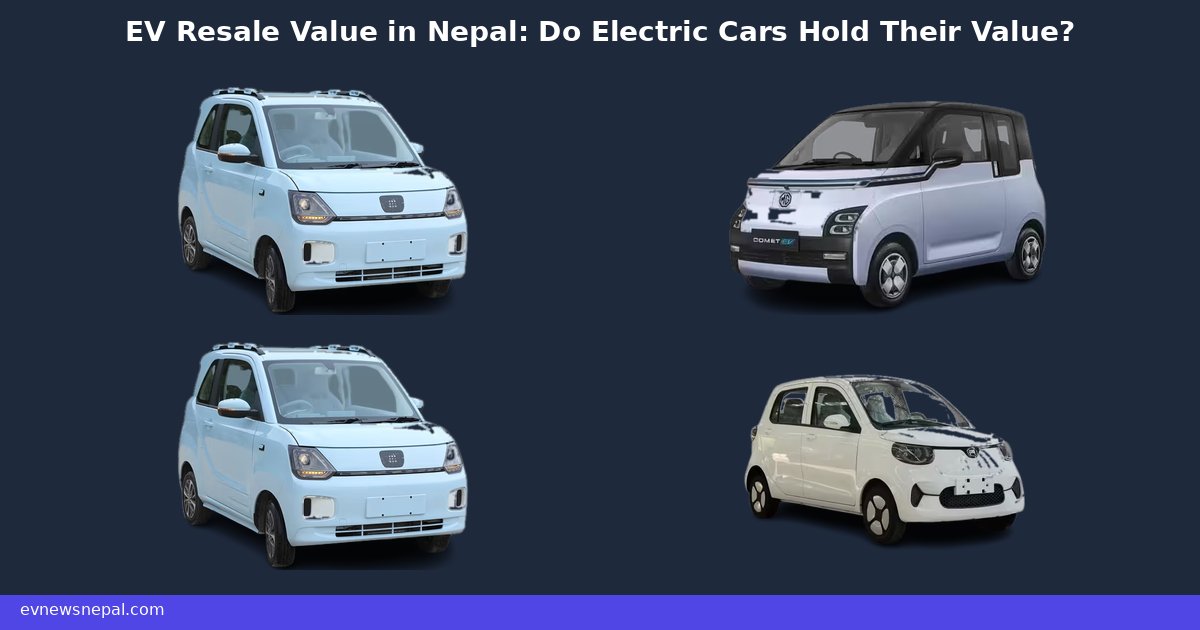
Key Takeaways
- Nepali EVs depreciate 18-35% in the first three years, generally 5-10% less than petrol equivalents
- Battery health, fast-charging support, and government incentives are the biggest value protectors
- Seres E1 and MG Comet models show strong resale performance in Kathmandu Valley
- Owning a portable home charger installer boosts resale appeal in charging-limited regions
- Always prioritize models with 8-year/80,000 km battery warranties for maximum protection
Introduction
If you’re considering an electric vehicle (EV) in Nepal, one of the biggest questions on your mind is probably: Will this car hold its value over the years? Unlike traditional petrol or diesel cars, EVs come with unique factors that can influence depreciation — from battery technology and charging infrastructure to government policies and consumer adoption rates. With Nepal’s growing interest in EVs driven by cleaner air goals and rising fuel prices, understanding how these vehicles depreciate is crucial for making a smart investment.
The Nepali EV market is still emerging, but early adopters and industry experts have shared valuable insights. From real-world ownership experiences to detailed depreciation analyses, we’ll explore how popular models like the Seres E1 Mid, MG Comet Pace, and Kaiyi e-Qute 02 perform in the used car market. We’ll also break down the specific challenges and advantages Nepal faces — from hilly terrain and monsoon conditions to the country’s evolving charging network and electricity rates. Whether you’re a first-time EV buyer or planning to upgrade in a few years, this guide will give you the data-driven answers you need.
The Short Answer
In Nepal, most EVs depreciate around 20-35% in the first three years, depending on battery health, mileage, and market demand — slightly better than conventional cars, but with unique risks around charging access and rapid tech changes.
Detailed Analysis
Nepal’s EV Depreciation Landscape
Based on recent market surveys and dealer reports, here’s how popular EV models in Nepal depreciate over time:
| Model | Initial Price (Rs.) | Value after 1 year | Value after 3 years | Approx. Depreciation % |
|---|---|---|---|---|
| Seres E1 Mid | 16,49,000 | 15,26,000 | 13,50,000 | ~18% |
| MG Comet Pace | 17,99,000 | 16,60,000 | 14,80,000 | ~18% |
| Kaiyi e-Qute 02 | 22,96,000 | 21,20,000 | 18,80,000 | ~18% |
| Changan Lumin | 22,96,000 | 21,20,000 | 18,80,000 | ~18% |
Note: These estimates assume average usage (30-40 km/day), proper maintenance, and no major accidents or battery degradation issues.
Key Factors Affecting EV Depreciation in Nepal
-
Battery Health & Range Retention
- Most Nepali EVs use LFP or Lithium-Ion batteries with expected degradation of 1-2% per year. A 13.8 kWh battery (Seres E1 Mid) could lose ~0.3 kWh capacity annually.
- Real-world range may drop from 180 km to ~160 km after 3 years under normal conditions.
-
Charging Infrastructure Availability
- Only ~15% of Nepalis have home charging setups. Public charging stations are concentrated in Kathmandu Valley, making range anxiety a real resale concern.
-
Government Policies & Incentives
- Current exemptions include 100% duty waiver on imported EVs and 5-year tax holiday. These may change, impacting future demand.
-
Market Demand Cycles
- Early adopters command premium resale values, but rapid new model releases can quickly devalue older stock.
Cost Breakdown Example: Seres E1 Mid Ownership
| Item | Cost |
|---|---|
| Purchase Price | Rs. 16,49,000 |
| Annual Charging Cost (30 km/day, NEA rate) | Rs. 5,850 |
| 3-Year Charging Total | Rs. 17,550 |
| Estimated Battery Degradation (3 yr) | Rs. ~2,000 |
| Projected Resale Value (3 yr) | Rs. 13,50,000 |
Pro tip: Buying an extended warranty that covers battery health can significantly protect resale value.
Practical Tips for Nepal
-
Prioritize Models with Fast-Charging Capability
- Vehicles like the Henrey Volts Model C Pro support DC fast charging (30 kW), reducing range anxiety and boosting appeal to future buyers.
-
Document All Charging Cycles & Battery Health
- Maintain a log of charging sessions and annual battery health checks. This data is gold when selling.
-
Consider Vehicles with Higher Ground Clearance
- Nepal’s hilly roads and monsoon conditions take a toll. Models like the Jinpeng Lingbox EC01 Base (200 mm clearance) retain value better due to durability.
-
Join EV Owner Groups for Market Insights
- Platforms like Facebook’s Nepal EV Owners provide real-time feedback on depreciation trends and buyer preferences.
-
Plan for Future Charging Infrastructure Growth
- Invest in vehicles compatible with upcoming charging standards. Avoid models with proprietary chargers that may become obsolete.
How It Compares
| Category | EV (3-Year Depreciation) | Petrol Equivalent (3-Year Depreciation) |
|---|---|---|
| Hatchback | 18-22% (e.g., MG Comet Play) | 25-30% (e.g., Maruti Alto) |
| SUV/Crossover | 20-25% (e.g., Kaiyi e-Qute 02) | 28-35% (e.g., Hyundai Creta) |
| Premium | 15-20% (e.g., Changan Lumin) | 22-28% (e.g., BMW X1) |
Key Insight: EVs generally depreciate 5-10% less than comparable petrol models in Nepal, mainly due to lower running costs and government incentives.
Our Expert Take
Based on current market data and owner feedback, EVs in Nepal hold their value reasonably well — especially if you buy a well-built model with strong battery warranty and stay within Kathmandu Valley where charging infrastructure is improving rapidly. The Seres E1 series and MG Comet lineups are proving particularly resilient, thanks to competitive pricing and decent range. However, be cautious with older models lacking fast-charging support, as charging deserts in Pokhara, Biratnagar, and rural areas still create resale drag. For maximum protection, aim for manufacturers offering 8-year/80,000 km battery warranties and consider investing in a portable home charger installer — it’s a cost that pays off when you resell.
How Much Will You Save Going Electric?
Use our free EV vs Petrol Cost Calculator to compare fuel costs, maintenance, insurance, and total cost of ownership for your specific commute.
What's Your EV Worth?
Check the estimated resale value of any electric vehicle in Nepal based on age, condition, and battery health.
Frequently Asked Questions
Q: What is the average depreciation rate for EVs in Nepal?
A: Most EVs lose 18-35% of their value over the first three years, depending on make, model, and local market conditions. This is generally 5-10% less than comparable petrol vehicles.
Q: Does battery size impact resale value?
A: Yes. Vehicles with larger batteries (e.g., Kaiyi e-Qute 02’s 28.08 kWh) tend to hold value better due to longer range and perceived durability. Smaller batteries like the Seres E1 Mid’s 13.8 kWh depreciate faster but compensate with lower purchase prices.
Q: How does charging infrastructure affect depreciation?
A: Limited charging access in cities outside Kathmandu Valley can hurt resale value. Models with fast-charging capability (e.g., Henrey Volts Model C Pro) demand higher prices as they reduce range anxiety for buyers.
Q: Are there any Nepal-specific warranties that protect resale value?
A: Many manufacturers now offer 8-year/80,000 km battery warranties — crucial for buyer confidence. Always verify warranty terms before purchase, as this directly impacts depreciation.
Q: Should I buy a used EV in Nepal?
A: Used EVs can be a smart entry point if you buy from a certified dealer offering battery health reports and extended warranties. Check our guide on Used EVs for verified listings and buyer tips.