Boosting Electric Vehicle Infrastructure Through Government and Private Sector Partnerships
Key Takeaways
- Nepal sees rising electric vehicle imports, reducing petroleum dependence and boosting green mobility
- Nepal Electricity Authority has installed 61 charging stations nationwide to support EV growth
- Collaboration between government and private sector is crucial for developing EV infrastructure and public transport
- Market competition is increasing, pushing companies to invest in infrastructure and customer service
- Investment in testing labs and battery management infrastructure is needed to ensure EV quality and safety
Collaboration Crucial for Electric Vehicle Infrastructure Development in Nepal
Stakeholders have stressed the importance of collaboration between the government and the private sector to build the necessary infrastructure for electric vehicles (EVs) in Nepal. This emphasis came during an interaction program on “Green Mobility and Economy,” organized by the Journalist Association for Automobile and Mobility Nepal (JAAM Nepal) and the Nepal Automobile Dealers' Association (NADA).
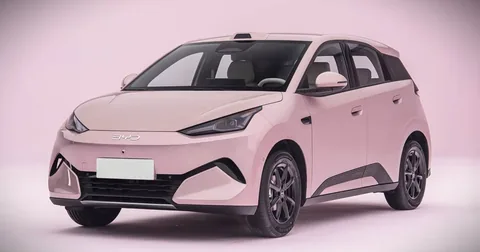
The recent surge in EV imports has been noted, with participants highlighting the need for joint efforts to support this growth through appropriate infrastructure development.
Focus on Public Transport
Ashish Gajurel, a Transport and Traffic Consultant, pointed out the lengthy response time for purchasing EVs and called for streamlined processes. He urged the government to prioritize enhancing electric public transportation systems rather than focusing solely on private vehicles.
“The government should emphasize how to enhance electric public transportation. This would make it easier for the general public to reach their destinations comfortably.”
Gajurel also noted that the rise in EV imports has led to a reduction in petroleum imports. In previous years, petroleum imports stood at around 300 billion rupees, but there has been a noticeable decrease in the last fiscal year. He attributes this, in part, to the growing adoption of EVs, which he sees as a positive development for Nepal, a country with significant potential in the energy sector.
Progress in Charging Infrastructure
Sagar Mani Gyawali, Charging Network Coordinator at the Nepal Electricity Authority, shared significant progress in establishing charging stations. He revealed that the authority has set up 61 charging stations across the country, addressing previous knowledge gaps in this area.
Although charging stations are now available in hotels to serve the public, Gyawali acknowledged that general consumers still lack sufficient knowledge about chargers. He noted that while consumers faced issues in the past decade, efforts have been made to bring many chargers online recently.
Private Sector Contributions
Akash Golchha, Senior Vice-President of NADA, emphasized the private sector's role in not only importing and selling vehicles but also in developing necessary infrastructure. With the increasing import of EVs, various infrastructure developments are underway to remain competitive.
“The market is becoming competitive. Those who provide better service will sell more, while those who do not will sell less.”
Golchha stressed the importance of companies investing in infrastructure and training staff to serve consumers effectively. He pointed out that new brands emerge each year, and these companies must offer excellent service and facilities to establish themselves in the market.
Need for Government and Private Sector Collaboration
Siddhi Suresh Shrestha from the Transport Management Division of the Ministry of Physical Infrastructure and Transport highlighted the positive impact of the recent increase in EV imports. He underscored the necessity of collaboration between the government and the private sector to effectively manage and organize new technologies.
Shrestha also pointed out the current lack of testing labs for EVs, similar to the absence of testing facilities for petroleum vehicles. He stressed the need for investment in such infrastructure.
“There have been claims that vehicles are being brought to the market with reduced power, but we do not have facilities to test this. Investment is needed for this purpose. In a country like ours, significant investment in infrastructure is required to test such vehicles.”
Environmental Benefits and Battery Management
Bhushan Tuladhar, an environmental consultant, highlighted the environmental and broader benefits of the increase in EV imports. He affirmed that EVs are highly suitable for Nepal and called for their integration into public transportation systems.
Tuladhar also advised the government to consider battery management, reassuring that the situation would not be as dire as anticipated.
“Batteries used in electric vehicles are designed to last a long time, so we do not need to worry too much about it.”
Overall, the stakeholders agree that a collaborative approach between the government and the private sector is essential to fully realize the potential of electric vehicles in Nepal, ensuring sustainable growth and improved mobility for the nation.