Finance Ministry Denies EV Import Claims No Irregularities Identified
Key Takeaways
- The Finance Ministry has officially denied allegations of irregularities in electric vehicle (EV) imports through northern border customs points, stating all imports followed standard procedures and existing laws
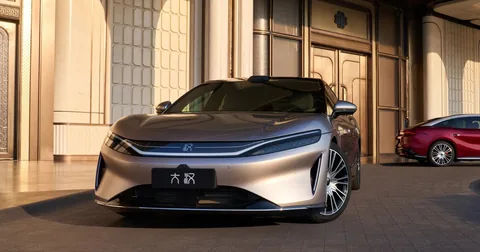
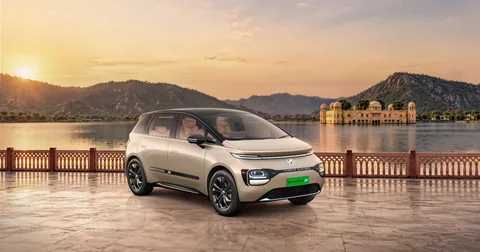
- A total of 649 BYD EVs, including Atto 1 and Atto 2 models, were imported through the Korala border customs point between Jestha 8 and Jestha 13, processed as pre-planned shipments with no evidence of timing manipulation linked to recent budget changes
- Over 200 Kaiyi electric vehicles were also cleared through the Rasuwagadhi customs point, all processed under prevailing tariff rates and standard approval systems, with the ministry rejecting claims of pre-budget advantages
- The ministry emphasized that EV imports rely on Letter of Credit banking arrangements and require weeks or months of planning due to physical arrival verification, making short-term policy-based timing adjustments impractical
- Administrative reviews, including reassignment of customs officials and additional oversight, have been initiated as routine safeguards, while official data shows a decrease in EV imports this year compared to last year, indicating no abnormal surge linked to tariff expectations
The Finance Minister’s office has formally dismissed recent claims surrounding electric vehicle (EV) imports via northern border customs points. In an official statement released through the ministry’s press office, authorities labeled allegations of irregularities, leaked advance information, and manipulation of customs clearance timings ahead of recent budget-related tariff adjustments as misleading and unsupported by evidence.
The ministry underscored that all EV imports were processed strictly in compliance with existing laws and standard customs procedures. It emphasized there is no proof of any advance leakage of customs duty details or preferential treatment granted to importers. Customs clearance, the statement explained, follows a structured verification system that includes banking arrangements, shipping documentation, manufacturer certifications, and transport approvals. Vehicles are only released after full regulatory compliance is confirmed, ensuring decisions align with established procedures and applicable tariffs at the time of import.
Public attention has largely centered on EV imports cleared through the Korala border customs point in Mustang. Between Jestha 8 and Jestha 13, a total of 649 BYD electric vehicles—including Atto 1 and Atto 2 models—entered Nepal via this route. The daily breakdown includes 51 units on Jestha 8, 110 on Jestha 9, 90 on Jestha 10, 270 on Jestha 11, 69 on Jestha 12, and 59 on Jestha 13. The ministry affirmed these imports were part of pre-planned commercial shipments processed under normal clearance protocols, with no evidence of timing manipulation related to budget announcements.
The statement also addressed EV imports through the Rasuwagadhi customs point in Rasuwa, where over 200 electric vehicles, including Kaiyi models imported by Laxmi e-Mobility, were cleared. Officials confirmed that all shipments adhered to prevailing tariff rates and followed standard customs and transport approval systems. Claims of any pre-budget advantages were rejected.
The ministry highlighted that EV imports are facilitated through Letter of Credit (LC) banking arrangements, supported by manufacturer documentation and compliance certificates. Due to the dependency on physical arrival, verification, and regulatory approval, import planning typically occurs weeks or even months in advance. This timeline makes short-term adjustments based on policy changes operationally unfeasible.
While denying all allegations of misconduct, the ministry announced administrative review measures. These include the reassignment of certain customs officials at Rasuwagadhi and the deployment of additional oversight personnel. The ministry clarified that these actions are routine procedural safeguards and do not indicate confirmed irregularities.
Referencing official data, the ministry noted that during the same period last year, EV imports totaled 4,317 units, compared to 2,764 units in the current period. This comparison suggests there has been no abnormal surge in imports linked to tariff expectations.
The Finance Ministry concluded that all EV imports through northern border customs points were executed in full compliance with legal procedures. It urged the public to rely on verified official data rather than speculative claims.