Key Takeaways
- Mahindra shifts strategy to introduce hybrid powertrains for XEV 9e and BE 6 SUVs, pairing a 1.2-liter turbo-petrol engine with an electric motor for improved fuel efficiency and flexible driving modes.
- Hybrid vehicles are gaining traction in India, with hybrids accounting for 2.1% of the passenger vehicle market in 2024, selling around 85,000 units, slightly behind EVs at 2.4% market share.
- State-level incentives, such as road tax exemptions for hybrids, are accelerating adoption, with the Maruti Grand Vitara and Toyota Urban Cruiser Hyryder making up 99% of hybrid sales in April 2025.
- Major automakers including Maruti Suzuki, Hyundai, Skoda Auto Volkswagen, and JSW MG Motor are preparing to launch hybrid models, reflecting a broader industry shift towards hybrid technology.
- Despite the shift to hybrids, manufacturers must balance this approach to remain competitive in the rapidly evolving electric vehicle market.
India's Shifting Automotive Landscape: Hybrid Powertrains Gain Momentum
As consumer preferences and infrastructure challenges evolve, manufacturers are adjusting their strategies to stay ahead.
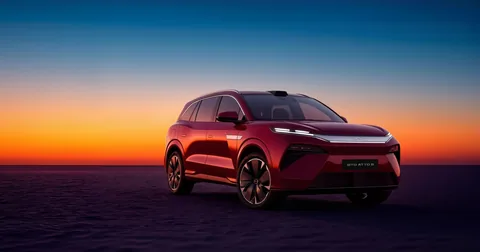
Mahindra, once a strong proponent of an all-electric future, is now planning to introduce hybrid powertrains for its XEV 9e and BE 6 electric SUVs. This shift reflects a broader pivot towards hybrid technology, aimed at delivering improved fuel efficiency, lower emissions, and flexible driving modes.
Mahindra's plans involve pairing a 1.2-liter, three-cylinder turbo-petrol engine with an electric motor in a strong hybrid setup. The company may also deploy a range-extender hybrid (REH) system on select larger models. Additionally, Mahindra has revealed plans to launch a series-parallel hybrid version of its compact XUV 3XO by 2026, signaling a long-term hybrid strategy that complements its electric ambitions.
Hybrid Vehicles Gain Traction in India
Despite lagging EV adoption due to limited charging infrastructure, high battery costs, and range anxiety, hybrids are gaining traction faster than anticipated. In 2024, hybrids accounted for 2.1% of India's passenger vehicle market, with around 85,000 units sold. EVs slightly outperformed, representing a 2.4% market share.
In April 2025, India saw the sale of 8,754 hybrid vehicles, with the Maruti Grand Vitara and Toyota Urban Cruiser Hyryder accounting for 99% of these numbers. State-level incentives, including road tax exemptions for hybrids, have further accelerated adoption.
Industry-Wide Shift Towards Hybrid Technology
Mahindra's shift aligns with a growing trend among Indian and global players. Maruti Suzuki is working on affordable REH systems for popular models, while Hyundai is preparing to launch the Palisade hybrid. Skoda Auto Volkswagen and JSW MG Motor have also confirmed plans to introduce hybrid vehicles in the coming years.
While manufacturers take a pragmatic approach by focusing on hybrids and CNG-powered vehicles, they must be careful not to fall behind in the electric vehicle race, especially as competitors aggressively expand their EV portfolios.