Key Takeaways
- The updated Pulsar NS200 adds a quickshifter, traction control and riding modes first seen on the NS400Z.
- A new 5-inch TFT cluster brings Google Maps mirroring, plus a USB Type-C port and adjustable levers.
- Power reportedly rises about 1 hp to 25.5 hp, but the front fork and tyre changes are unconfirmed.
- Nepal pricing and launch timing are not announced, and a price increase is expected.
- EV cars run at about Rs. 0.70 per km, so compare running costs before choosing a bike or an EV.
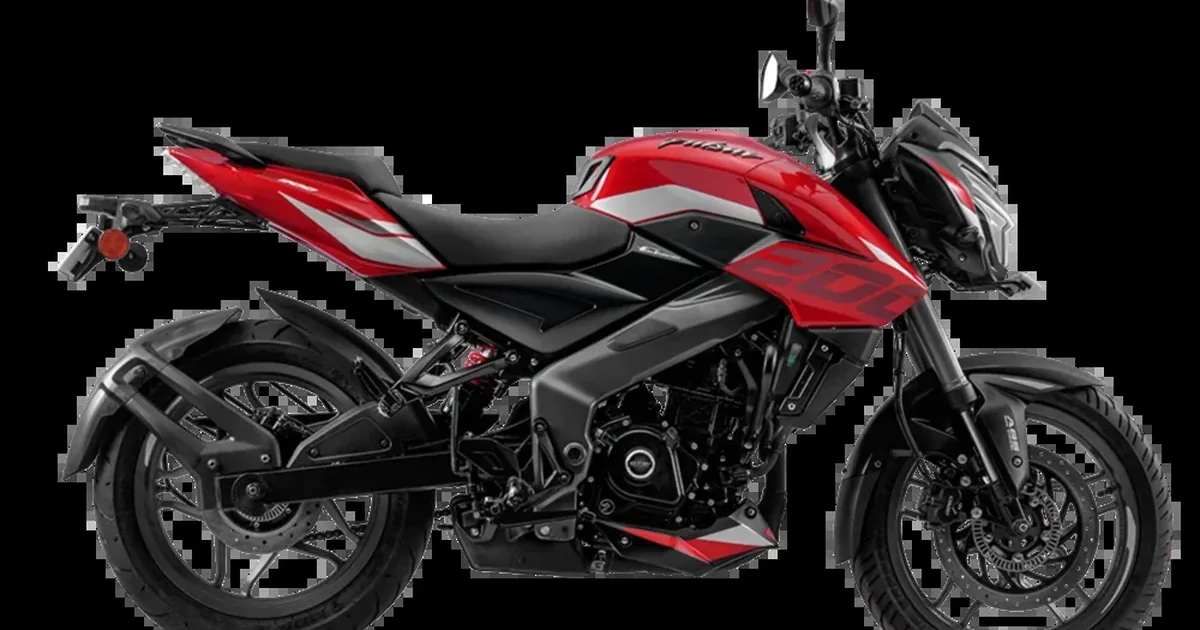
Bajaj has updated the Pulsar NS200 with a quickshifter, a 5-inch TFT instrument cluster, traction control and selectable riding modes, and the refreshed bike has started reaching dealerships in India. The 200cc naked streetfighter has been one of the most recognisable performance bikes on Nepali roads for years. This is its biggest feature upgrade in a long time.
The update borrows from the rest of the Bajaj range. The quickshifter, traction control and riding modes first appeared on the NS400Z, and the TFT with Google Maps mirroring debuted on the N160 SS. Bajaj has not officially confirmed the full equipment list, so some details below come from dealer-stage reports and may change at launch.
For Nepali buyers the question is simple: does this make the NS200 worth the extra money, and what should you do if you are about to buy one? This guide covers what is new, what is still unconfirmed, and how it fits a market that is slowly moving toward electric two- and four-wheelers.
Key Highlights
- Quickshifter added for clutchless upshifts and downshifts, a feature previously reserved for the bigger NS400Z.
- 5-inch TFT display replaces the semi-digital cluster, with Google Maps mirroring.
- Traction control and riding modes are new to the NS200.
- The 200cc engine reportedly makes 25.5 hp, about 1 hp more than before.
- USB Type-C charging, a hazard switch, a panic brake alert and adjustable levers are added.
- A new Nardo Grey colour joins the range.
- Pricing is expected to rise. In India the outgoing bike is around Rs 1.48 lakh (INR), and Bajaj has not announced the new figure.
- Nepal pricing and launch timing for the updated model are not yet announced.
Detailed Analysis
What is actually new
The headline features are the electronics. A quickshifter makes spirited riding smoother and gives a more modern feel. Traction control and riding modes matter most on wet or slippery surfaces. In Nepal that means monsoon-season tarmac, gravel on highway shoulders and the loose, broken patches that appear on hill roads.
The TFT cluster is the other big change. A 5-inch colour display with phone-based navigation mirroring is useful for riders who commute through Kathmandu Valley and take weekend trips out of it. Practical details such as a hazard switch, a panic brake alert (flashing indicators under hard braking) and a Type-C charging port are small additions that owners will use daily.
Old versus updated NS200
The table summarises what the reports say has changed. Treat it as provisional until Bajaj publishes official specifications.
| Feature | Previous NS200 | Updated NS200 (reported) |
|---|---|---|
| Instrument cluster | Semi-digital LCD | 5-inch TFT with Google Maps mirroring |
| Quickshifter | No | Yes |
| Traction control | No | Yes |
| Riding modes | No | Yes |
| Peak power | About 24 hp | About 25.5 hp |
| Charging port | Not standard | USB Type-C |
| Levers | Fixed | Adjustable |
| New colour | None | Nardo Grey |
The front fork question
Earlier spy photos showed upside-down forks with a different branding. The dealer-stage bike reportedly keeps the 37 mm USD fork already used on the NS200, so the suspension may be unchanged. Reports also disagree on whether the tyres changed. Bajaj has not settled either point officially, so do not assume a hardware upgrade until you see it in the spec sheet.
Pricing in Nepal
Nepal pricing for the NS200 already varies by variant (ABS and non-ABS) and by source, and the official distributor lists different figures at different times. Because the updated bike has more equipment, expect it to cost more than the current model once it is launched here. Ask an authorised showroom for a written quote that includes registration, road tax and insurance. The ex-showroom figure is never what you actually pay.
Pro tip: If a dealer offers the old NS200 at a discount, ask whether it has the old cluster and no quickshifter. The new features may be worth the difference if you ride in the hills or in the rain.
Real-world running costs
A petrol 200cc bike is cheap to buy compared with a car, but its fuel and servicing costs add up. By comparison, an electric car costs roughly Rs. 0.70 per km to run on home or NEA charging, and a full 50 kWh charge costs about Rs. 500-600 at home. Petrol bikes at 35 kmpl-class efficiency cost noticeably more per km at current fuel prices. This is why many commuters are now comparing a performance bike against a small EV.
Impact on Nepal EV Market
The NS200 is a petrol bike, but its update matters for the EV market because it shows how quickly feature expectations are rising. Buyers now expect a TFT screen, connected features and rider aids at this price. Electric rivals will be judged against that.
For anyone choosing between a performance petrol bike and an electric car for daily use, the comparison looks like this:
- Upfront cost: A performance bike is much cheaper to buy than any four-wheeler. The cheapest EV cars in our database start at around Rs. 16 lakh, such as the Seres E1 Mid at Rs. 16,49,000.
- Running cost: An EV car runs at about Rs. 0.70 per km on charging, and a 30-40 km daily commute costs roughly Rs. 1,000-2,000 per month.
- Practicality: A four-seat micro EV such as the MG Comet Pace at Rs. 18,75,000 carries a family and stays dry in monsoon, which a bike cannot.
- Range anxiety: Small city EVs claim 180-230 km per charge, which is enough for Kathmandu Valley traffic and short hill runs.
A longer-range option is the Geely EX2, which has a claimed 410 km CLTC range and DC fast charging from 30-80% in about 25 minutes. Its Nepal price has not been published yet.
For dealers, the update is a chance to refresh showroom stock and move older inventory. For the wider industry it is a reminder that petrol performance bikes are still popular and that electric alternatives need to compete on features as well as running costs.
What to Expect Next
Indian reports link the update to a pre-Diwali launch. If that holds, Nepal-market availability would normally follow some weeks to a few months later through the authorised distributor. That is our estimate, not an announced date.
Watch for three things:
- Official specifications from Bajaj, which should settle the fork, tyre and power questions.
- Nepal pricing from the distributor, including how large the gap is between the old and new bike.
- Sibling update: the N250 was spotted testing with similar hardware, so a matching update is likely.
If you are buying in the next few weeks, waiting for the official Nepal price is sensible. If you need a bike now, decide whether the quickshifter and TFT are worth paying a premium for before you sign.
Explore All EVs Available in Nepal
Compare 200+ electric vehicles with real-time prices, specs, and features.
Frequently Asked Questions
Q: What is new on the updated Bajaj Pulsar NS200?
A: The updated Bajaj Pulsar NS200 adds a quickshifter, a 5-inch TFT display with Google Maps mirroring, traction control and riding modes. It also reportedly gains about 1 hp (25.5 hp in total), USB Type-C charging, a hazard switch, a panic brake alert, adjustable levers and a new Nardo Grey colour. Bajaj has not officially confirmed the full list.
Q: How much will the updated NS200 cost in Nepal?
A: Bajaj has not announced Nepal pricing for the updated NS200. The current model is already sold at different prices depending on the variant and ABS setup, and the new bike is expected to cost more because of the added equipment. Ask an authorised showroom for a written on-road quote before you buy.
Q: Does the new NS200 have upside-down forks?
A: This is unconfirmed. Early spy photos showed upside-down forks with new branding, but the bike that reached dealerships reportedly keeps the existing 37 mm USD fork. Wait for the official specification sheet before assuming a suspension change.
Q: Is a performance bike or a small EV cheaper to run in Nepal?
A: An EV car costs about Rs. 0.70 per km on NEA or home charging, and about Rs. 1,000-2,000 per month for a 30-40 km daily commute. A petrol bike is much cheaper to buy, but its fuel cost per km is higher. If you are weighing options, see the Compare EVs tool or browse Used EVs for lower-priced alternatives.