Key Takeaways
- The Pulsar NS400Z TFT launched in India at Rs. 1.90 lakh ex-showroom, about Rs. 10,000 above the LCD variant
- New 5-inch TFT adds Google Maps mirroring, music control, USB Type-C and a panic brake alert
- Engine and gearbox are unchanged: 373 cc, about 40 PS, 35 Nm, 6-speed
- Nepal price for the TFT variant is unconfirmed; the NS400Z has been listed at about Rs. 5,59,900
- Owners report about 28-34 km/l, while EVs average around Rs. 0.70 per km in running cost
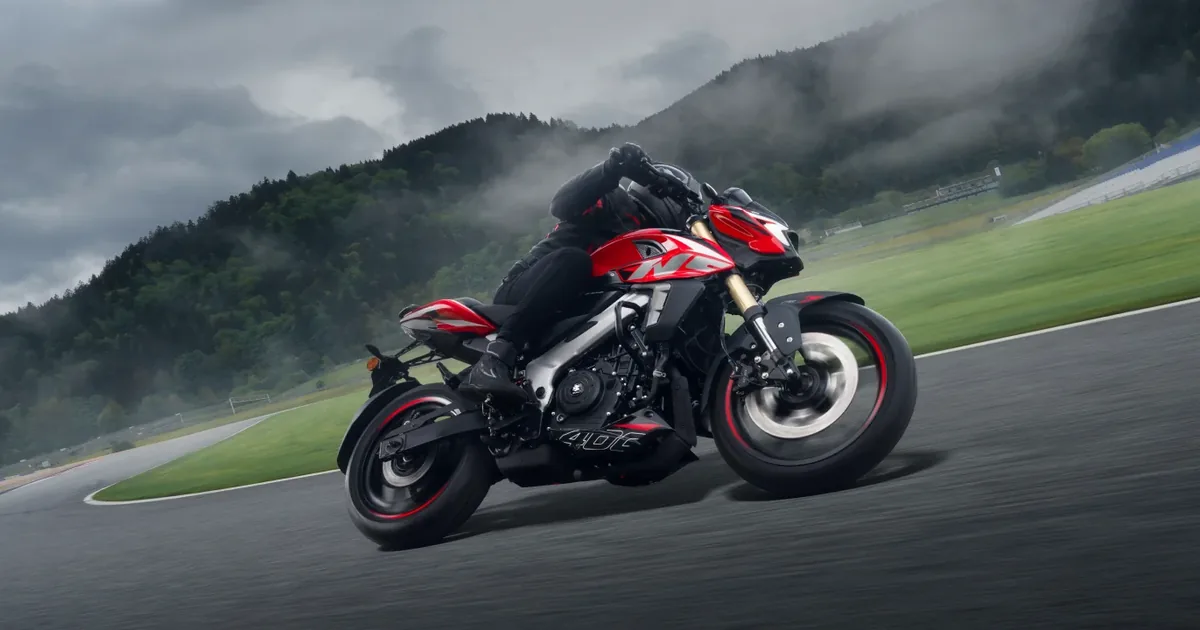
Bajaj has launched the Pulsar NS400Z with a 5-inch TFT console at Rs. 1.90 lakh (ex-showroom, India), about Rs. 10,000 more than the LCD version. The Bajaj Pulsar NS400Z TFT variant adds Google Maps mirroring, music control, a USB Type-C port and a panic brake alert. The engine and chassis are unchanged.
For Nepali riders, this matters because the NS400Z is already one of the most talked-about performance streetfighters in the country. A better dashboard and a few safety and convenience features change how the bike feels on daily commutes and weekend hill rides, even though the 373 cc engine stays the same.
The Indian launch price is not the Nepal price. Imported bikes in Nepal carry duties and dealer margins, and the NS400Z has been listed at around Rs. 5,59,900 in the Nepali market. Pricing for the new TFT variant in Nepal has not been confirmed, so check with an authorised Bajaj dealer before you book.
Key Highlights
- New 5-inch TFT console replaces the earlier LCD cluster
- Rs. 1.90 lakh (ex-showroom, India) launch price, roughly Rs. 10,000 above the LCD variant
- Google Maps mirroring and music control through smartphone connectivity
- USB Type-C charging port added
- Panic brake alert that flashes the hazard lamps under hard braking
- Mechanically unchanged: 373 cc engine, about 40 PS and 35 Nm, 6-speed gearbox
- 12-litre fuel tank, with owners reporting roughly 28-34 km/l depending on riding mode and conditions
- Nepal price for the TFT variant not yet confirmed; the NS400Z has been listed at about Rs. 5,59,900
Detailed Analysis
What actually changed
The headline change is the instrument console. The earlier NS400Z used an LCD cluster that was functional but dated next to rivals. The new 5-inch TFT is a full-colour display with a cleaner layout and phone connectivity.
The most useful addition is Google Maps mirroring. Navigation appears on the bike's screen, so you don't need a handlebar phone mount. That is handy in Kathmandu, where flyovers, one-way lanes and the Ring Road junctions confuse many riders. It is just as useful on unfamiliar highways like the Prithvi, Mugling-Narayanghat or BP Highway routes.
Music control lets you manage playback from the handlebar switchgear when your phone is paired to a helmet headset. The USB Type-C port means you can keep the phone charged on long rides, which matters when navigation drains the battery quickly.
The panic brake alert is a small but real safety feature. Under hard braking, the hazard lights flash to warn the rider behind. Nepal's mixed traffic of buses, micros, scooters and pedestrians makes sudden stops common, so this is worth having.
What stays the same
Bajaj has not touched the mechanical side. The bike keeps the same engine and gearbox, so the performance numbers are unchanged.
| Specification | Pulsar NS400Z (LCD and TFT) |
|---|---|
| Engine | 373 cc, single-cylinder |
| Max power | About 40 PS |
| Max torque | About 35 Nm |
| Gearbox | 6-speed manual |
| Fuel tank | 12 litres |
| Reported top speed | About 137 km/h |
| Reported mileage | About 28-34 km/l |
Pro tip: Mileage varies with riding mode. Owners report the lower end of the range in rain mode and the upper end with gentle city riding. Hilly routes and heavy traffic will push consumption up.
LCD vs TFT: which variant to choose
When you compare variants, compare like with like: the LCD NS400Z against the TFT NS400Z. Both share the same engine, so you are really paying for the dashboard and features.
| Feature | LCD variant | TFT variant |
|---|---|---|
| Display | LCD cluster | 5-inch TFT |
| Navigation | Not available | Google Maps mirroring |
| Music control | Not available | Yes |
| USB Type-C port | Not available | Yes |
| Panic brake alert | Not available | Yes |
| Engine and gearbox | Same | Same |
| India ex-showroom price | About Rs. 1.80 lakh | Rs. 1.90 lakh |
The gap is roughly Rs. 10,000 in India. If the same gap carries over to Nepal, the TFT looks like good value, since a navigation display is hard to retrofit cleanly. If you mostly ride short, familiar city routes and want the lowest price, the LCD version still delivers the same performance.
Real-world riding in Nepal
Owner feedback on the NS400Z has been broadly positive. Riders describe the 400 cc engine as smooth and responsive, with strong mid-range pull that suits overtaking on highways. It is also usable in slow Kathmandu traffic, though the heat and clutch effort in stop-and-go conditions are things to consider.
On hill roads, the 6-speed gearbox and torque make climbs to places like Nagarkot or Daman easier than on a typical 150-200 cc commuter. Monsoon riding needs care: the wet-weather mode helps, but fresh tyres and sensible braking matter more.
Impact on Nepal EV Market
The NS400Z is a petrol motorcycle, so its direct impact on EV sales is limited. But it shapes what buyers expect, and that matters for electric two-wheelers and cars alike.
Connected features are now expected. A Rs. 1.9 lakh Indian bike with a TFT screen, Maps mirroring and USB-C sets a baseline. Buyers comparing a petrol bike with an electric one will expect similar smart features from the EV.
Running costs tilt the decision. At roughly 28-34 km/l, a petrol NS400Z costs far more per kilometre than charging an EV. Home charging in Nepal costs about Rs. 10-12 per kWh, and NEA public stations charge Rs. 6-10.5 per kWh. Average EV running costs come to around Rs. 0.70 per km for cars, which is hard for any petrol bike to match at current fuel prices.
Different buyers, different needs. The NS400Z targets enthusiasts who want performance, highway touring and a fun weekend bike. Buyers whose priority is a low-cost daily commute are more likely to look at electric options.
If you are weighing a performance bike against a small electric car for daily use, these models on our platform show the other end of the market:
| Model | Price | Battery | Claimed range |
|---|---|---|---|
| Seres E1 Mid | Rs. 16,49,000 | 13.8 kWh | 180 km |
| MG Comet Pace | Rs. 18,75,000 | 17.3 kWh | 230 km |
| Henrey Mincar | Rs. 19,95,000 | 16.5 kWh | 205 km |
These are compact four-seat city cars, not direct rivals to a 400 cc bike. They are useful reference points for buyers deciding between a performance motorcycle and an electric runabout. Note that they cost considerably more up front than the NS400Z, so the comparison is about running costs and daily practicality, not sticker price.
For dealers, the TFT variant gives a stronger sales pitch in the 350-400 cc segment. For buyers, the main question is whether the Nepal price premium stays small.
What to Expect Next
Nepal pricing and availability. Expect Bajaj's Nepal distributor to announce the TFT variant's price and stock timing in the coming weeks. Nepali prices usually differ from India's because of import duties and local taxes, so the Rs. 1.90 lakh figure should not be used for budgeting. Wait for an official dealer quote.
Possible rivals' response. Competitors in the 300-400 cc class are likely to push their own connected dashboards. The TFT with Maps mirroring is becoming a standard expectation in this segment.
Electric two-wheelers catching up. As electric bikes and scooters improve range and connectivity, the gap in features narrows. The advantage petrol bikes keep is fast refuelling and a long touring range, while EVs win on running cost.
Timeline. Over the next one to three months, watch for dealer bookings, delivery schedules and early owner reports on the TFT's real-world usability in sunlight and rain.
Explore All EVs Available in Nepal
Compare 200+ electric vehicles with real-time prices, specs, and features.
Frequently Asked Questions
Q: What is the launch price of the Bajaj Pulsar NS400Z TFT variant?
A: The TFT variant launched in India at Rs. 1.90 lakh (ex-showroom), about Rs. 10,000 more than the LCD version. The Nepal price has not been confirmed. The NS400Z has been listed at around Rs. 5,59,900 in Nepal, so confirm the TFT price with an authorised dealer.
Q: What new features does the NS400Z TFT variant get?
A: It gets a 5-inch TFT console with Google Maps mirroring and music control, a USB Type-C charging port and a panic brake alert. The engine, gearbox and chassis are unchanged from the LCD variant.
Q: How much mileage does the Pulsar NS400Z give?
A: Owners and reviewers report about 28-34 km/l, depending on riding mode, traffic and terrain. Rain mode and hilly roads sit at the lower end, while steady city riding sits at the higher end.
Q: Is a petrol NS400Z cheaper to run than an electric vehicle in Nepal?
A: No. EV running costs in Nepal average around Rs. 0.70 per km for cars when charging at home or at NEA stations, which is lower than a 400 cc petrol bike at current fuel prices. The NS400Z suits riders who prioritise performance and touring, while EVs suit lower-cost daily commuting. You can browse Used EVs or Compare EVs to see the options.
Q: Is the TFT variant worth the extra money over the LCD version?
A: If you ride in unfamiliar areas or take long trips, probably yes. Built-in navigation, USB-C charging and the panic brake alert are useful for a small premium. If you mainly ride short, familiar routes, the LCD variant offers the same engine and performance for less.