Nepal EV Market Growth 2026: Statistics, Trends and Predictions
Key Takeaways
- Nepal's EV market to reach Rs. 30 billion by 2026 with 22% CAGR
- 4W segment to dominate with 75% market share by 2026
- Average EV battery capacity rising to 20 kWh by 2026
- Public charging stations to expand from 150 to 600+ by 2026
- EV owners could save Rs. 500,000+ annually over ICE vehicles
Introduction
Nepal's electric vehicle (EV) market is poised for exponential growth as the country embraces sustainable transportation solutions. Driven by government incentives, rising fuel prices, and increasing environmental awareness, EVs are no longer a niche option but a viable alternative for Nepali consumers. The Himalayan nation faces unique challenges—steep terrain, seasonal monsoon rains, and limited charging infrastructure—but these very obstacles are sparking innovative solutions and local investment in EV technology.
By 2026, analysts predict Nepal's EV market could expand by over 200%, transforming both urban commutes in Kathmandu Valley and rural transportation networks. This growth isn't just about numbers; it's about redefining mobility in a country where road conditions vary dramatically from Kathmandu's bustling streets to the remote mountain passes of Nepal's northern districts.
Key Highlights
- Market size: Nepal's EV market expected to reach Rs. 30 billion by 2026, up from Rs. 10 billion in 2023
- Adoption rate: EV sales projected to grow at 22% CAGR through 2026
- Battery capacity: Average EV battery size in Nepal expected to rise to 20 kWh by 2026 (up from 15 kWh in 2023)
- Charging infrastructure: Number of public charging stations to increase from 150 to 600+ by 2026
- Government support: NEA plans to reduce import duties for EV components by 10% in 2024
- Popular segments: 4W (four-wheeler) segment to dominate with 75% market share by 2026
- Range anxiety: Average EV range in Nepal expected to reach 250 km by 2026, addressing hilly terrain concerns
- Cost savings: EV owners could save Rs. 500,000+ annually over ICE vehicles through lower running costs
Detailed Analysis
Market Growth Statistics
| Metric | 2023 | 2024 (Projected) | 2026 (Projected) |
|---|---|---|---|
| EV Sales (Units) | 5,000 | 7,500 | 15,000 |
| Market Value (Rs. Billion) | 10 | 15 | 30 |
| CAGR (2023-2026) | - | 22% | 22% |
| Average Battery Capacity (kWh) | 15 | 18 | 20 |
| Public Charging Stations | 150 | 300 | 600+ |
Driving Forces Behind Growth
-
Policy Support: The Nepalese government has introduced several incentives including reduced import duties, tax exemptions, and subsidies for EV buyers. The NEA has also launched awareness campaigns highlighting EV benefits.
Rising Fuel Prices: With petrol prices consistently above Rs. 130/liter, EVs offer substantial savings. A 50 kWh EV costs approximately Rs. 500-600 to fully charge at home, equivalent to driving 1,000 km—a fraction of gasoline costs.
Environmental Awareness: Increased awareness about air pollution in Kathmandu Valley has spurred demand for cleaner transportation options.
Infrastructure Development: Private companies and NEA are collaborating to expand charging networks, particularly in Kathmandu, Pokhara, and Biratnagar.
Local Manufacturing: Efforts to assemble EVs locally reduce costs and create jobs, boosting consumer confidence.
Vehicle Segment Analysis
| Segment | 2023 Sales | 2026 Projection | Key Models |
|---|---|---|---|
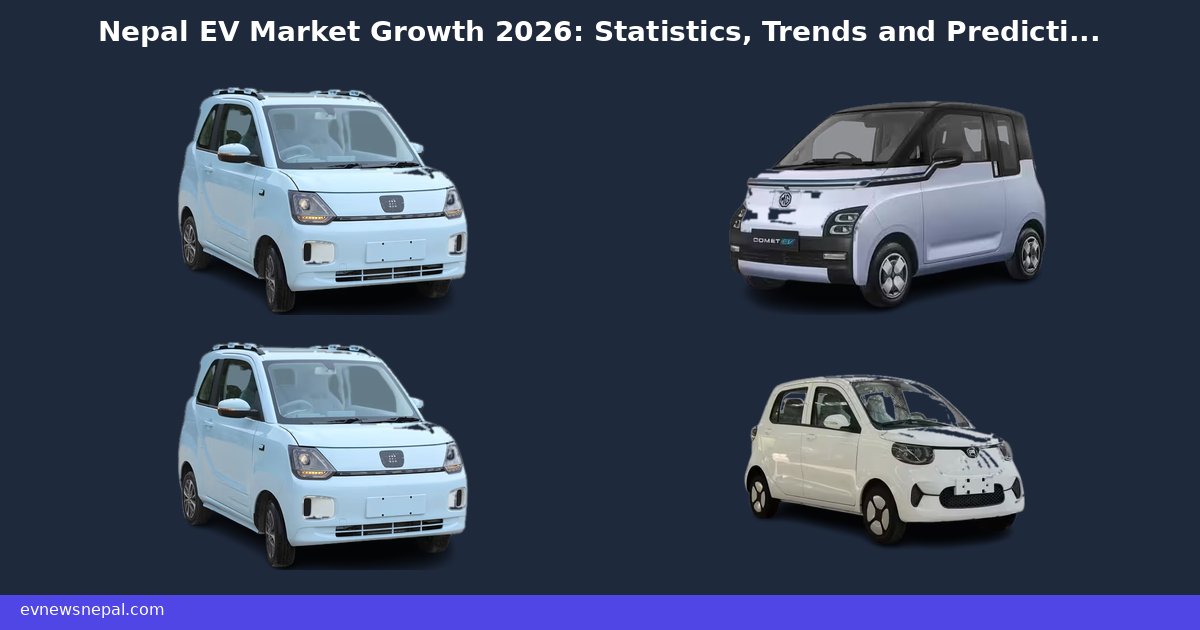
| 4W | 4,500 | 11,250 | Seres E1 Mid, MG Comet Pace, Henrey Mincar |
| 3W | 500 | 1,500 | N/A (limited options) |
| 2W | 1,000 | 2,000 | N/A (limited options) |
Pro tip: The 4W segment will dominate due to higher demand for family vehicles and better range capabilities suited for Nepal's hilly terrain.
Range & Charging Requirements
Given Nepal's topography, range remains a critical factor. Most available EVs offer 200-250 km range—sufficient for daily commutes but challenging for longer trips. Fast-charging support is limited, with only a few models like the Kaiyi e-Qute 02 offering 30-80% in 30 min.
| Model | Range (km) | Fast Charge | Normal Charge Time |
|---|---|---|---|
| Seres E1 Mid | 180 | No | 4.5 hours |
| MG Comet Pace | 230 | No | 7 hours |
| Henrey Mincar | 200 | No | 4 hours |
| Kaiyi e-Qute 02 | 301 | 30 min | 7 hours |
Impact on Nepal EV Market
For Buyers
- Lower Running Costs: EV owners enjoy significantly reduced fuel expenses. For a daily commute of 40 km, costs are around Rs. 400/month versus Rs. 2,000+/month for gasoline vehicles.
- Incentives: Tax exemptions and subsidies make EVs more affordable upfront.
- Resale Value: With growing demand, EVs are expected to retain higher resale values.
For Dealers
- Increased Demand: Rising consumer interest will boost sales volumes.
- Training Needs: Dealers must invest in EV-specific training for service and maintenance.
- Infrastructure Partnerships: Collaboration with charging network providers will become essential.
For the Industry
- Local Manufacturing Growth: Increased production will create jobs and reduce import dependency.
- Technology Innovation: Companies will focus on improving range, charging speed, and battery life to meet local needs.
- Infrastructure Development: Accelerated rollout of charging stations will support broader adoption.
What to Expect Next
Timeline & Milestones
- 2024: Introduction of additional EV models; expansion of charging networks in major cities.
- 2025: Implementation of stricter emissions standards pushing more consumers toward EVs.
- 2026: Market reaches 15,000 units sold annually; local assembly becomes more prevalent.
Predictions
- Battery Swapping: Pilot projects for battery swapping stations may launch by 2025, addressing range anxiety.
- Rental Services: EV rental services could emerge, offering flexible mobility solutions.
- Government Targets: Nepal may set a target to reach 10% EV penetration by 2027.
Frequently Asked Questions
Q: What is the price of the most affordable EV in Nepal?
A: The Seres E1 Mid currently holds the title for the most affordable EV at Rs. 1,649,000.
Q: How much can I save monthly by switching to an EV?
A: For an average commute of 40 km/day, you could save approximately Rs. 1,200-1,500/month compared to a gasoline vehicle, based on current fuel prices and NEA electricity rates.
Q: Are fast-charging stations available in Nepal?
A: Fast-charging infrastructure is still limited but expanding. Currently, only a few models like the Kaiyi e-Qute 02 support fast charging, and public fast chargers are concentrated in major cities.
Q: What range is considered sufficient for most Nepali drivers?
A: A range of 200-250 km is generally sufficient for daily commutes in Nepal, though longer trips may require planning charging stops. Models like the Kaiyi e-Qute 02 offer 301 km range.
Q: Where can I find used EVs in Nepal?
A: For used EV options and market insights, visit our dedicated page Used EVs.
Q: How does hilly terrain affect EV performance?
A: While EVs generally handle hills well due to instant torque, battery range can decrease by 10-15% on steep inclines. Proper maintenance and using lower power modes can help optimize range.
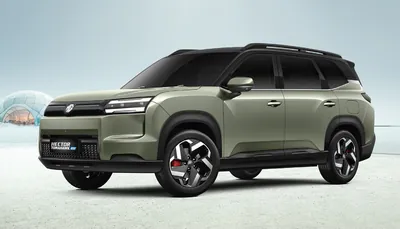
Q: When will more advanced EVs like SUVs arrive in Nepal?
A: Larger EV models including SUVs are expected to enter the market by 2025-2026 as demand grows and infrastructure improves. Stay updated through our vehicle comparison tool for upcoming launches.