Key Takeaways
- CLTC (China) is the most optimistic; expect about 82% of the claim
- WLTP is the fair global benchmark (treat it as 100%)
- ARAI (India) about 78%, NEDC about 87%, EPA is the most realistic
- The easier the test, the bigger the range number on paper
- In Nepal, plan for WLTP-equivalent minus 10-20% for hills and traffic
If you are comparing EV range in Nepal, you have probably seen the same electric car quoted with wildly different numbers, and the reason is the test cycle behind them: WLTP, CLTC, NEDC, ARAI and EPA are five different lab tests, and each one produces a different range figure for the exact same battery. This guide explains what each one means, where it is used, and which number actually reflects the range you will get on Nepal's roads. For live figures, browse every electric car price in Nepal and electric scooter price in Nepal.
Why one EV shows different range numbers
An EV's range is never measured on a real highway. It is measured on a rolling road in a lab, following a fixed speed-and-stop pattern called a test cycle. A gentle cycle full of slow city driving returns a big, flattering number; a tougher cycle with real highway speeds returns a smaller, more honest one. So the same EV can honestly claim 500 km on one cycle and 400 km on another. Knowing the cycle is the only way to compare two EVs fairly, which is why we normalise every listing across our EV catalogue.
CLTC: the Chinese cycle (the most optimistic)
The CLTC (China Light-duty Vehicle Test Cycle) is used on almost every Chinese EV, and Nepal imports a lot of them. Because the test is dominated by low-speed city driving, CLTC numbers are the rosiest of the lot. Expect roughly 82% of a CLTC figure in mixed real-world use. You will see CLTC on models like the BYD Atto 3 and the Deepal S05.
WLTP: the global benchmark (the fairest)
The WLTP (Worldwide Harmonised Light Vehicle Test Procedure) mixes city and highway driving at realistic speeds, so it lands closest to real life and has become the number everyone compares against. Treat WLTP as your 100% reference. Some models sold here quote it directly, and we display a WLTP-equivalent for the rest, for example the Garow DT-86 Max scooter and the MG ZS EV.
NEDC, ARAI and EPA: the other three
- NEDC (old Europe): outdated and optimistic. Real world is about 87% of the claim.
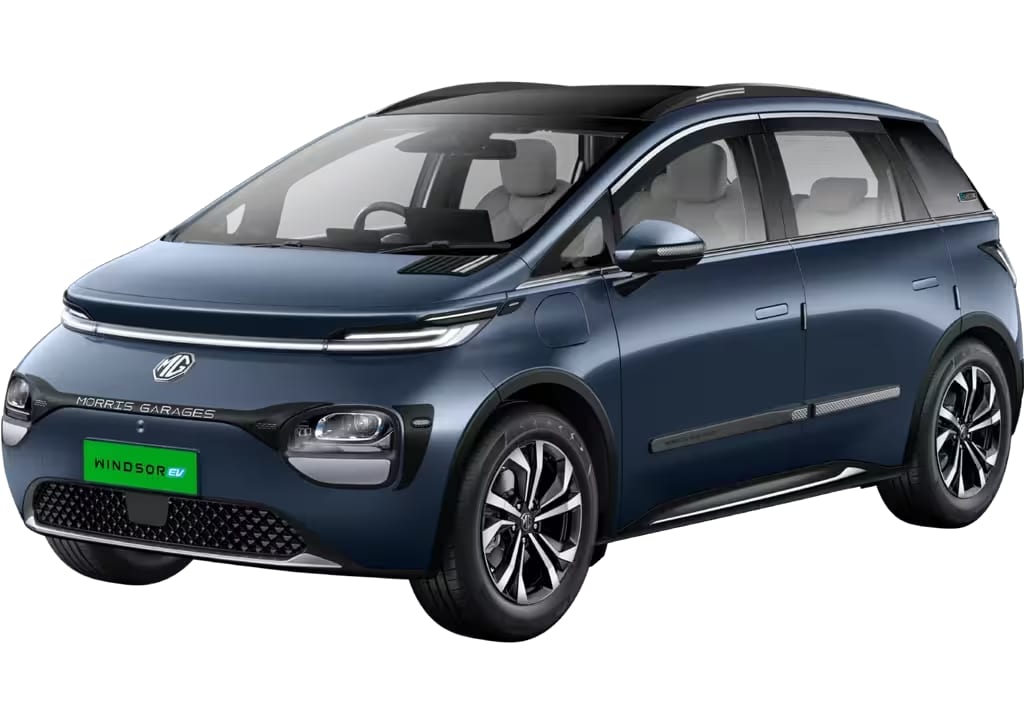
- ARAI / MIDC (India): the standard on Indian-built EVs like the Tata Nexon EV and MG Windsor. Lab-based and generous, so expect about 78%.
- EPA (USA): the strictest and most realistic. An EPA figure is actually a touch lower than WLTP, so it is the closest to what you will really drive.
The pattern is simple: the easier the test, the higher the range claim. That is why a Chinese CLTC number and an American EPA number for two otherwise identical EVs can look 30% apart on paper.
What this means on Nepal's roads
Every cycle above is measured on flat ground in mild weather. Nepal adds steep hills, heavy traffic and frequent AC use, all of which cut range further. A safe rule of thumb: start from the WLTP-equivalent figure, then subtract another 10-20% for hilly Kathmandu Valley driving. When you shop, compare EVs on the same basis, whether you are looking at a new electric car, an electric scooter, an upcoming EV, or a used EV.
How EV News Nepal fixes this for you
Rather than list a raw CLTC or ARAI number that looks impressive but misleads, we compute and show a WLTP-equivalent range on every EV, alongside the original company-claimed figure and its test cycle. That means when you line up two cars from our brands directory or the full electric car list, you are comparing apples to apples. Check the range row on any model page, for example the MG Windsor, BYD Atto 3 or Tata Nexon EV.
Frequently asked questions
Which EV range figure is the most accurate?
EPA is the most realistic, followed closely by WLTP. CLTC, NEDC and ARAI all tend to overstate real-world range.
Is CLTC or WLTP range better?
Neither is "better" — WLTP is simply more realistic. A CLTC number is usually about 20% higher than the WLTP-equivalent for the same EV.
How much real range will I actually get in Nepal?
Plan for the WLTP-equivalent minus 10-20% because of hills, traffic and AC. On the optimistic CLTC cycle, a 400 km claim is closer to 330 km real world, and less in the hills.
What cycle do Chinese EVs use?
CLTC. Because it is heavy on slow city driving, it produces the largest range numbers, so mentally discount them.
What cycle do Indian EVs use?
ARAI (also called MIDC). It is lab-based and optimistic, so expect around 78% of the claim in daily use.
Does EV News Nepal show a comparable range?
Yes. We display a WLTP-equivalent range for every EV so you can compare models fairly across our electric car and scooter listings.
Bottom line: never compare two EVs on their headline range unless they use the same test cycle. Start from the WLTP-equivalent, discount for Nepal's hills, and you will know what you are really buying. Explore the full range-normalised catalogue at EV News Nepal.