Latest updates, comparisons, and buying guides for Nepal's EV market

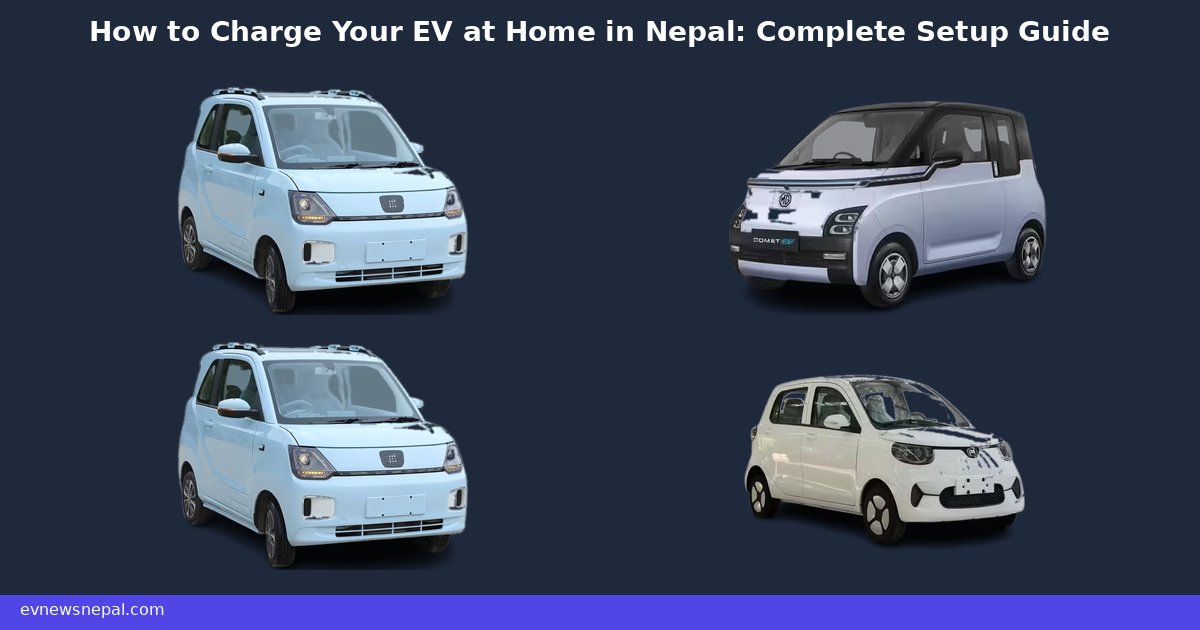
Complete guide to setting up home EV charging in Nepal covering costs, installation options, vehicle-specific requirements, and practical tips for Kathmandu's terrain and monsoon conditions.
Read more
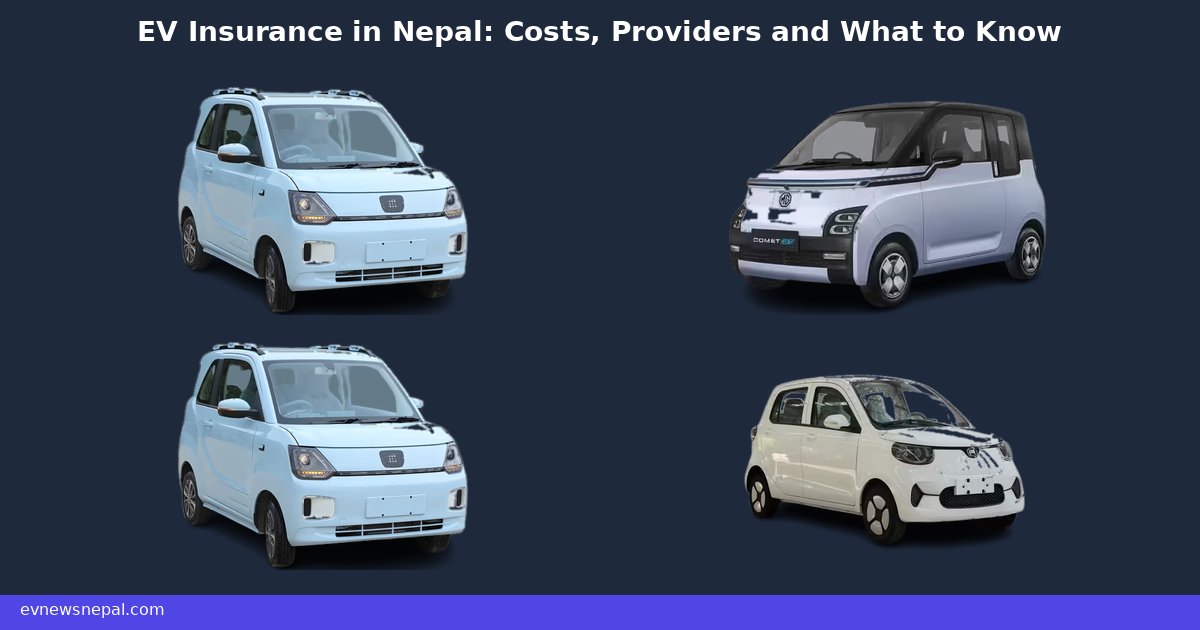
EV insurance in Nepal costs Rs. 10,000–30,000 annually, with major providers like Nepal Insurance and NIC Asia offering battery-specific coverage. Learn about costs, providers, and tips for hilly terrain driving.

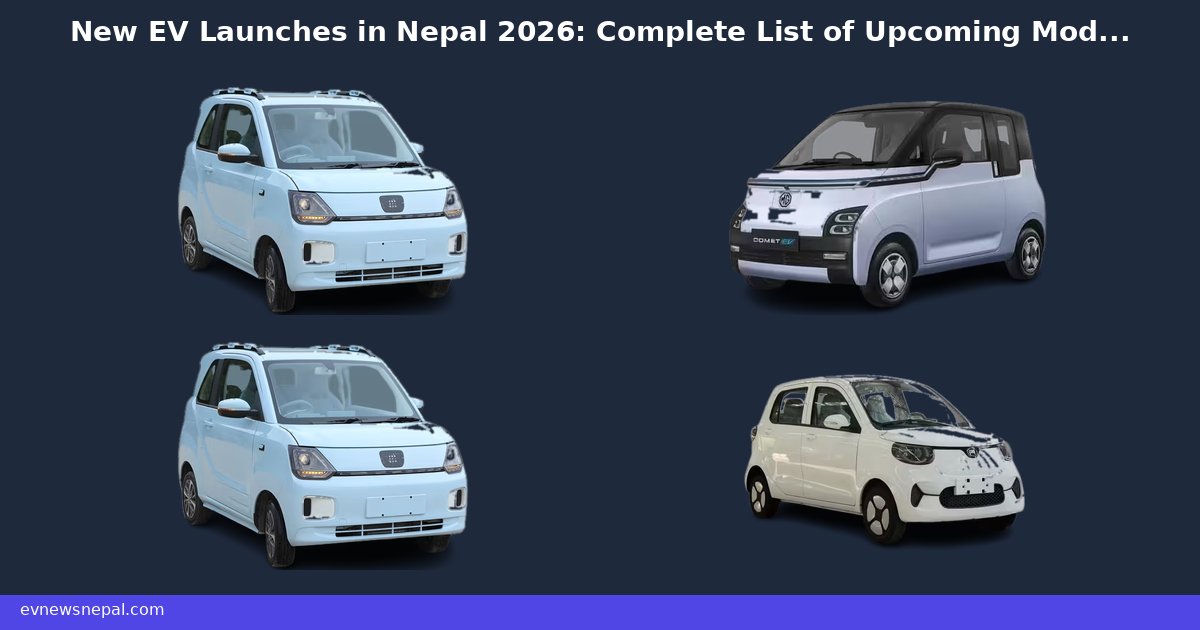
Nepal’s EV market readies for 2026 with 7 new models from Seres, MG, Henrey, Jinpeng, Kaiyi, and Changan, offering ranges up to 301 km and fast-charging options.

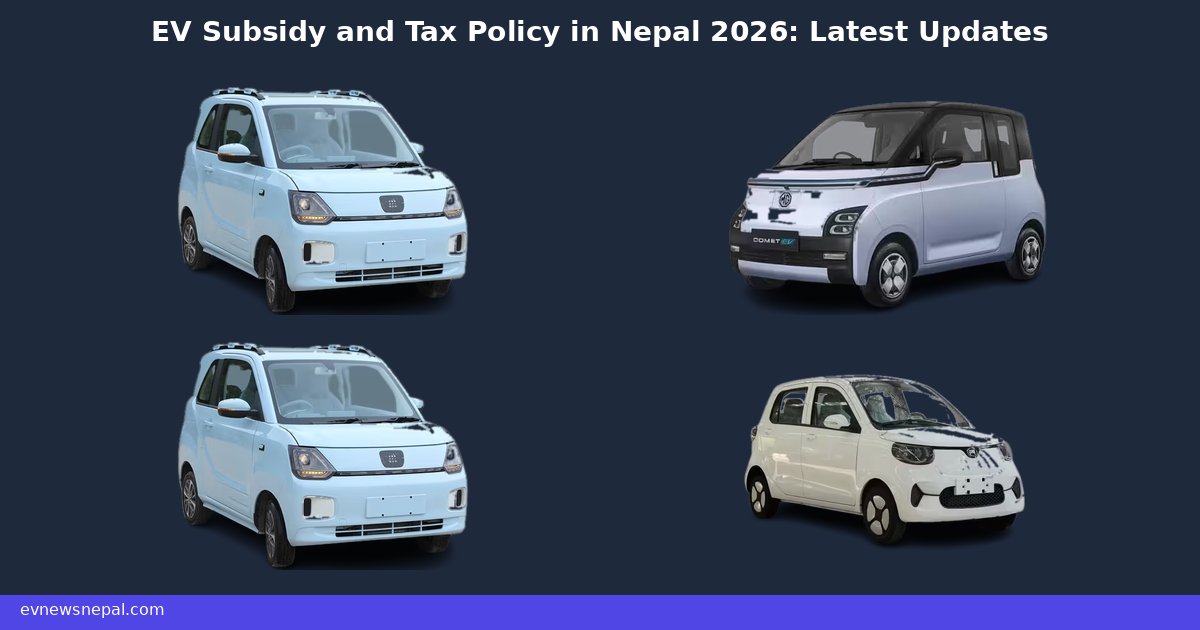
Nepal's 2026 EV policy introduces major subsidy hikes, tax exemptions, and infrastructure incentives to boost electric vehicle adoption. Buyers gain up to 25% effective price reductions.

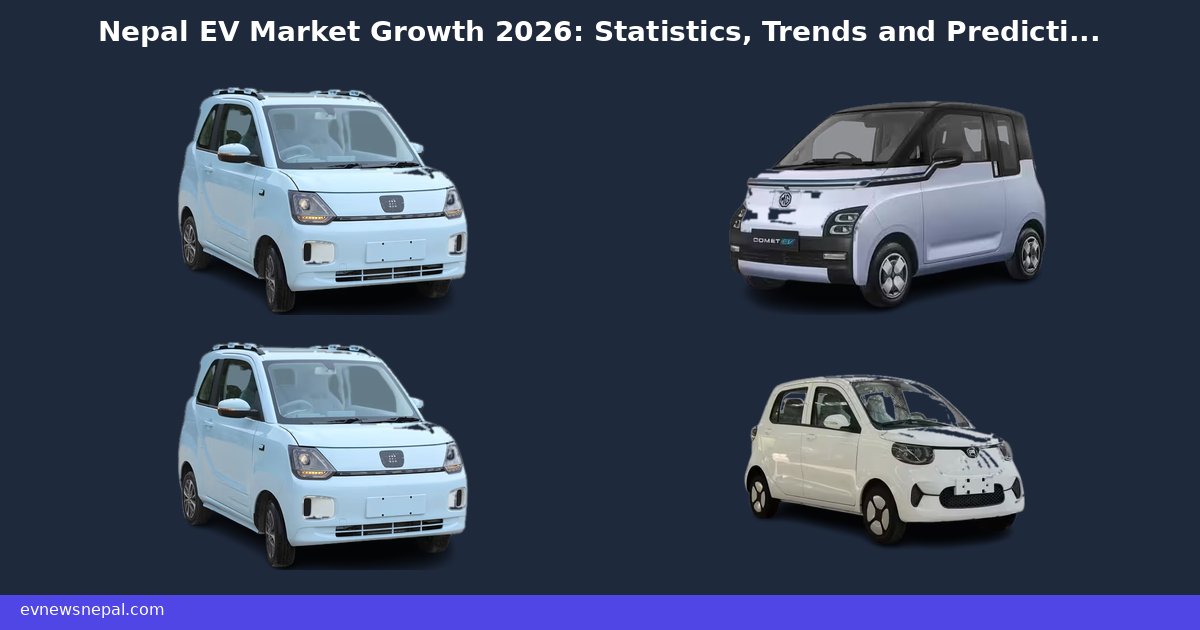
Nepal's EV market is set to grow over 200% by 2026, driven by policy support, rising fuel prices, and infrastructure development. Key models like the Seres E1 Mid and Kaiyi e-Qute 02 are leading adoption.

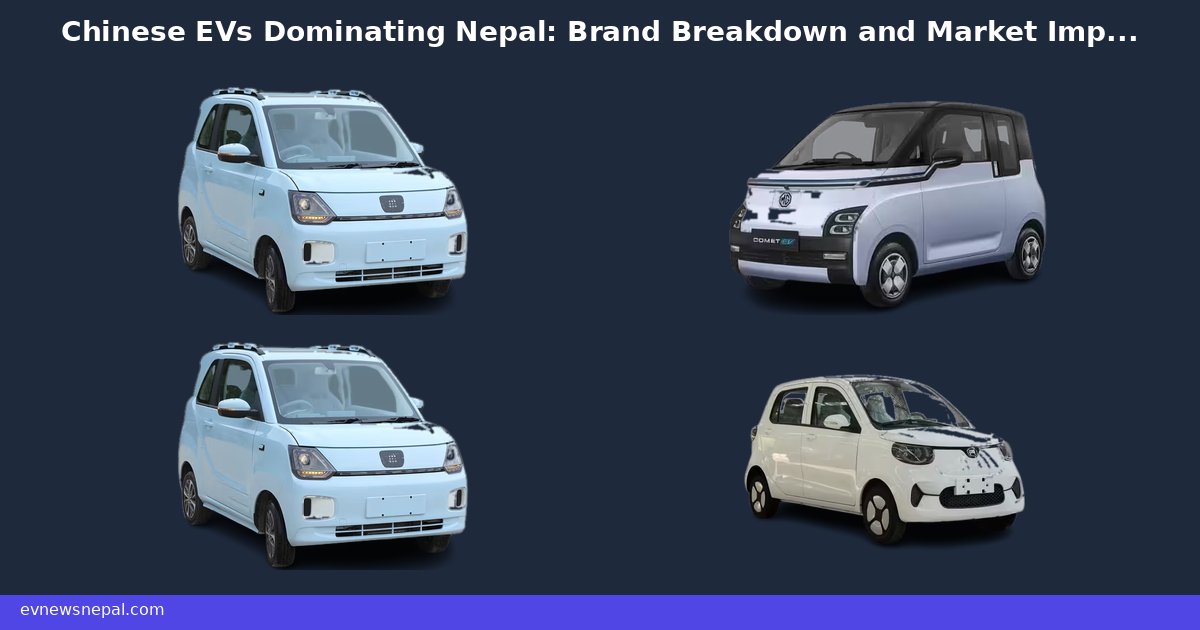
Chinese EV brands like BYD, MG, and Seres are dominating Nepal's electric vehicle market with over 70% share. Affordable pricing, long ranges, and expanding infrastructure make them attractive to Nepali buyers despite challenges like hilly terrain.

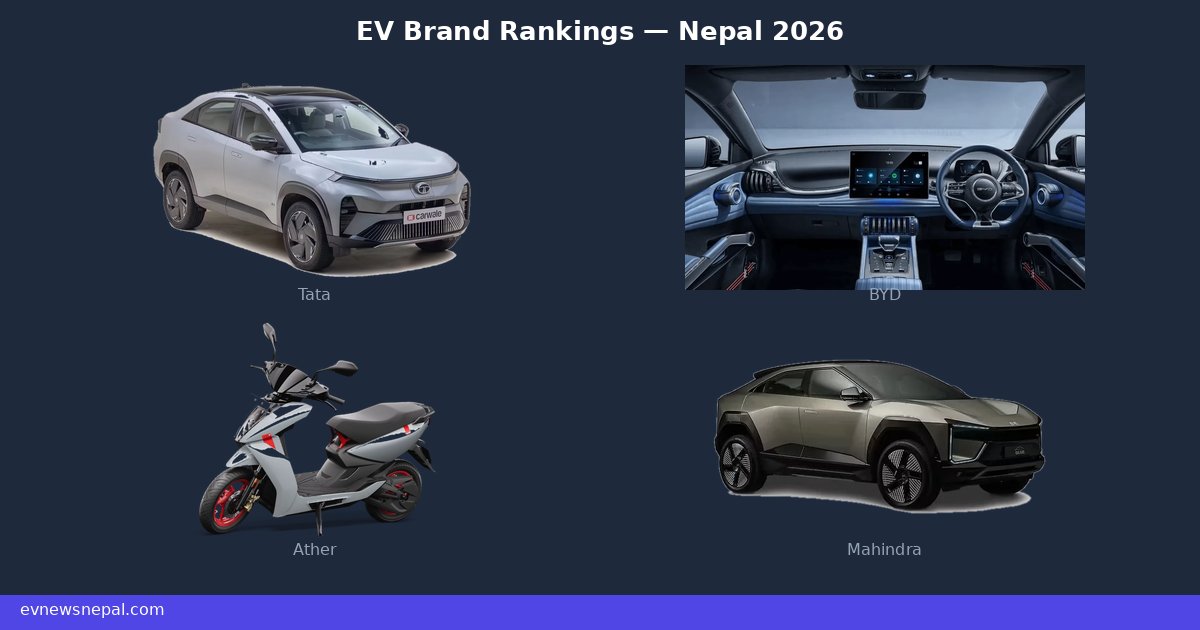
A comprehensive analysis ranking every major EV brand in Nepal based on dealer network, sales volume, after-sales support, customer satisfaction, and market presence. BYD leads with a perfect 10/10 score and 18.61% market share, followed by Tata (9/10) and Hyundai (9/10). The article also highlights struggling brands including Tesla (4/10, no service track record despite Feb 2025 entry), Kia (4/10, slowing sales), and Skywell (2/10, effectively dormant).

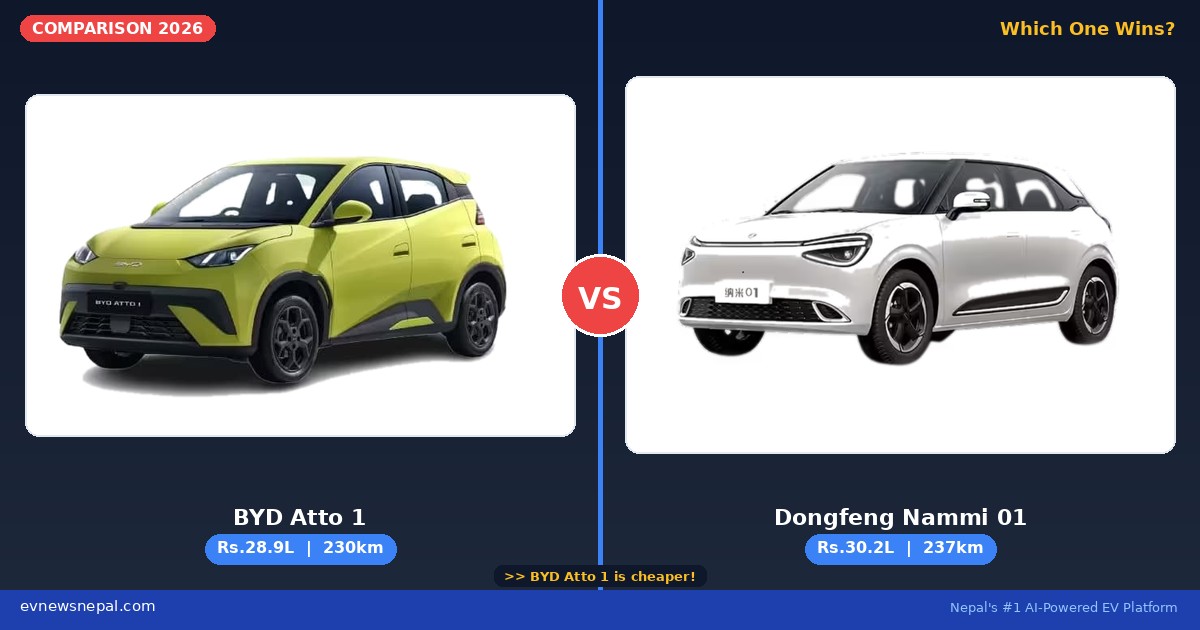
BYD Atto 1 vs Dongfeng Nammi 01 compared for Nepal 2026: range, charging, safety, and features to help budget EV buyers choose the right car.